
Overhead Gantry
& Jib Crane Training
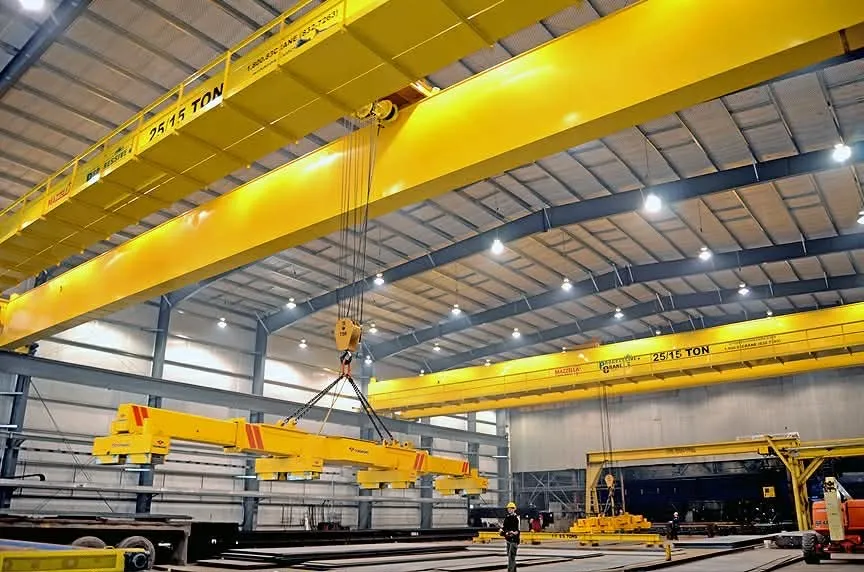
Overhead Gantry and Jib Cranes play a vital role in lifting operations across countless industries – but when they’re operated without the right trainings, the risks can be severe, Ram Safety’s Overhead Gantry & Jib Training equips your teams with the practical skills and confidence to operate lifting equipment safely, legally and efficiently.

What is Overhead Gantry & Jib Crane Training?
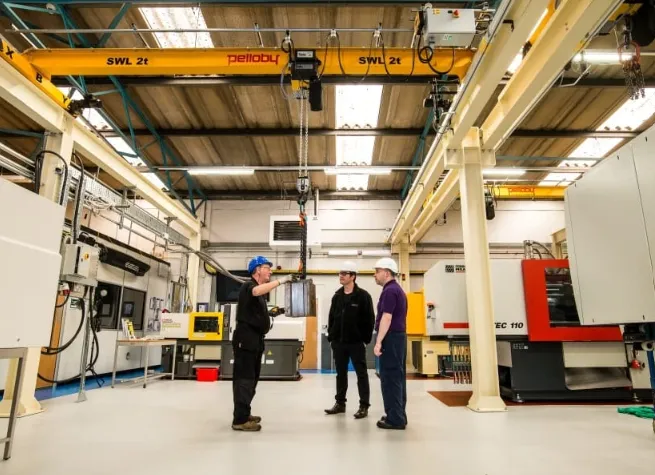
Overhead Gantry & Jib Crane Training from RAM Safety is a practical, workplace-focused course designed to ensure operators use lifting equipment safely, confidently and in full compliance with LOLER and PUWER.
This course is suitable for anyone who operates, supervises or works around overhead gantry or jib cranes, including warehouse teams, engineering staff, production operatives, maintenance personnel and supervisors.
Training is tailored to your equipment, your loads and your environment covering:
-
Legal Responsibilities: Employer and employee duties under LOLER & PUWER
-
Crane Components & Controls: Understanding safe operations and limitations
-
Pre-Use-Checks: Identifying defects and ensuring equipment readiness
-
Safe Lifting Techniques: Load stability, slinging basics and communication
-
Operating Practices: Lifting, lowering, travelling, slewing and positioning
-
Work Area Safety: Pedestrian control, obstructions, lighting, workflow hazards
-
Practical Application: Real lifts using your cranes and typical workplace loads

Overhead Gantry & Jib Crane Training Aims:
-
Riase Awareness: Understand the risks associated with crane operations and how incidents occur
-
Builds Safe, Repeatable Techniques: Develop consistent, controlled lifting practices
-
Support Legal Compliance: Align with LOLER, PUWER and your internal safe systems
-
Encourage Ownership: Promote personal responsibility for safe handling and speaking up when tasks are unsafe
-
Integrate with your systems: Reinforce your lifting plans, risk assessments and safe systems of work
Overhead Gantry & Jib Crane Training Benefits:
-
Reduce Incidents and Downtime: Fewer lifting-related injuries, collisions and equipment damage
-
Improves Confidence and Competence: Operators feel capable and supported
-
Better Load Control: Safer, smoother lifting operations
-
Demonstrates Due Diligence: Clear evidence of competence for audits and insurers
-
Cost Savings: Less damage, fewer delays and reduced claims