

Abrasive Wheels Training
Abrasive wheels are essential in many industries, but when they’re used incorrectly, they can cause serious injuries. RAM Safety’s Abrasive Wheels Training gives your team the knowledge and confidence to work safety, comply with the law and prevent avoidable incidents.
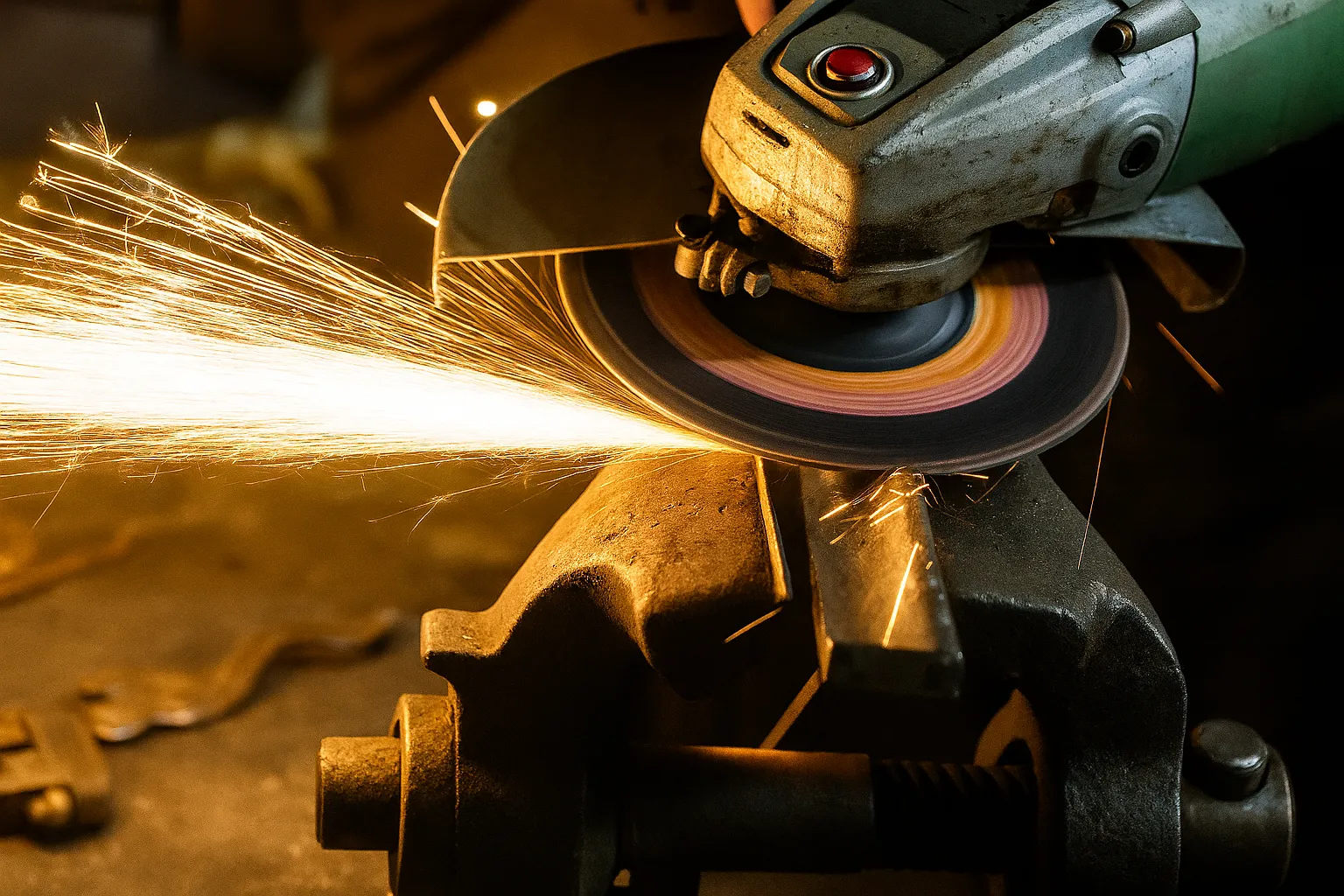


What is Abrasive Wheels Training?
Abrasive Wheels Training from RAM safety is designed for anyone who selects, mounts, uses or inspects abrasive wheels as part of their role. This includes operators, maintenance teams, supervisors and anyone responsible for equipment safety.
This course is practical, straightforward and aligned with the Provision and use of Work Equipment Regulations (PUWER)
What your team will learn:
-
Legal Responsibilities – Under PUWER and relevant guidance
-
Wheel types and markings – Understanding specifications and compatibility
-
Safe Mounting Procedures – Flanges, washers, torque and checks
-
Common Hazards – Breakage, kickback, entanglement, dust, noise, vibrations
-
Pre-use inspection – What to check and why it matters
-
Safe operation – Guarding, PPE, speed checks and good technique
-
Storage, handling and maintenance – Of wheels and equipment

Abrasive Wheels Training Aims:
-
Improve Competence: Ensure staff understand how to select, mount and use abrasive wheels safely
-
Reduce Incidents: Prevent wheel breakages, misues and unsafe setups that lead to serious injuries
-
Support Compliance: Demonstrate that you have trained staff in accordance with PUWER requirements
-
Build Confidence: Gives operators the practical skills to identify faults, report issues and work safely
-
Strengthen Your Safety Culture: Reinforce consistent, safe behaviours across your workshop or site
Abrasive Wheels Training Benefits:
-
Fewer Equipment-Related Injuries: Proper mounting and inspection drastically reduce wheel failures
-
Better Operation Standards: Staff understand the “Why” behind safe practices, not just the “How”
-
Clear Legal Compliance: Training supports your duty to privde competent, trained operators
-
Improved Productivity: Well-maintained wheels and correct techniques reduce downtime and damage
-
Greater Confidence and Accountability: Operators feel empowered to challenge unsafe setups and report defects